Menopausal Collagen Loss: Why Skin, Joints, And Bones Change After 40 Ubie Medical Professional's Note This makes it difficult to determine how efficient collagen supplements truly are and if they deserve their frequently large cost. By age 40, the decrease in collagen production is much more substantial. A person in their 80s will certainly have approximately 68% as much collagen as a 20-year-old. Type V collagen makes its way via the eyes, hair, and some layers of the skin.
Why do EDS individuals look younger?
In some cases, EDS can impact appearance in manner ins which might ensure people look older or younger than their age. For instance, in hypermobile EDS, collagen framework may lead to soft, wrinkle-free skin, contributing to a vibrant look.
Why Does Collagen Loss Occur?
Collagen shortage occurs when your body isn't making sufficient collagen, or when the collagen you currently have breaks down faster than it can be replaced. This protein comprises concerning 30% of your body's protein and acts sort of like scaffolding for your skin, bones, tendons, and various other connective cells. By focusing on easy nutrition and lifestyle tweaks, you can provide your collagen an increase and support much healthier skin, joints, and nails. While scientific research is still figuring out all the information, these sensible steps can aid offer you a strong starting factor. Little modifications today can cause a stronger, a lot more vivid you tomorrow.
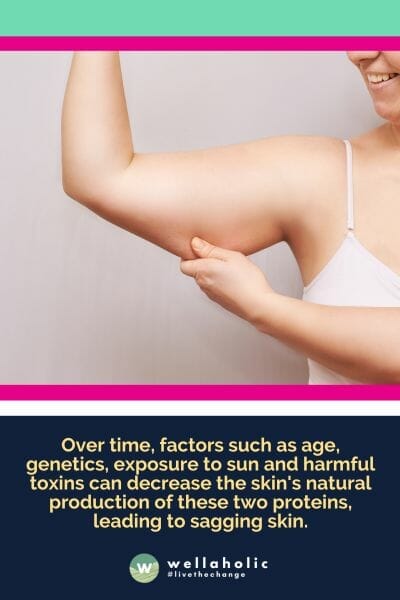
Lax Skin
At the same time, alcohol dries out, overloads the liver and impacts rest.
When the skin senses injury, even a very precise, superficial one, it activates its natural repair work procedure.
Starting in your mid-20s, fibroblast cells become less active with time.
A diet regimen high in refined foods and sugar simultaneously starves the skin of what it needs to build collagen and accelerates glycation damage to the collagen already there. Past Article source the skin, collagen deficiency can also appear as joint stiffness, weak nails, increased hair damage, and decreased connective tissue strength throughout the body. Collagen isn't just about diet and way of living - it's additionally deeply influenced by hormones, which naturally rise and fall with age. This hormone ups and downs is why we normally lose around 1% of collagen annually after our mid-20s, with an also sharper decrease for women post-menopause. For this reason, the existing information recommend that the existence of these healthy proteins in the body helps to keep the amount of collagen in the skin [10] Adopting healthy practices is among the best ways to naturally enhance collagen degrees. Regular exercise, for instance, enhances blood circulation, supplying oxygen and vitamins to skin cells. Protecting your skin from sunlight damage, staying Treatment Sessions clear of smoking, taking care of anxiety, and obtaining sufficient sleep can all encourage collagen synthesis, too. Collagen loss is brought on by a mix of inherent and external elements. Innate reasons consist of all-natural fibroblast downturn beginning in the mid-20s and hormonal decline, especially estrogen loss during perimenopause and menopause. Many people are dealing with multiple reasons simultaneously, which is why a multi-ingredient strategy to collagen assistance is extra effective than a single item.
How Matt Freese Trains For Peak Performance With Whole-person Health And Wellness
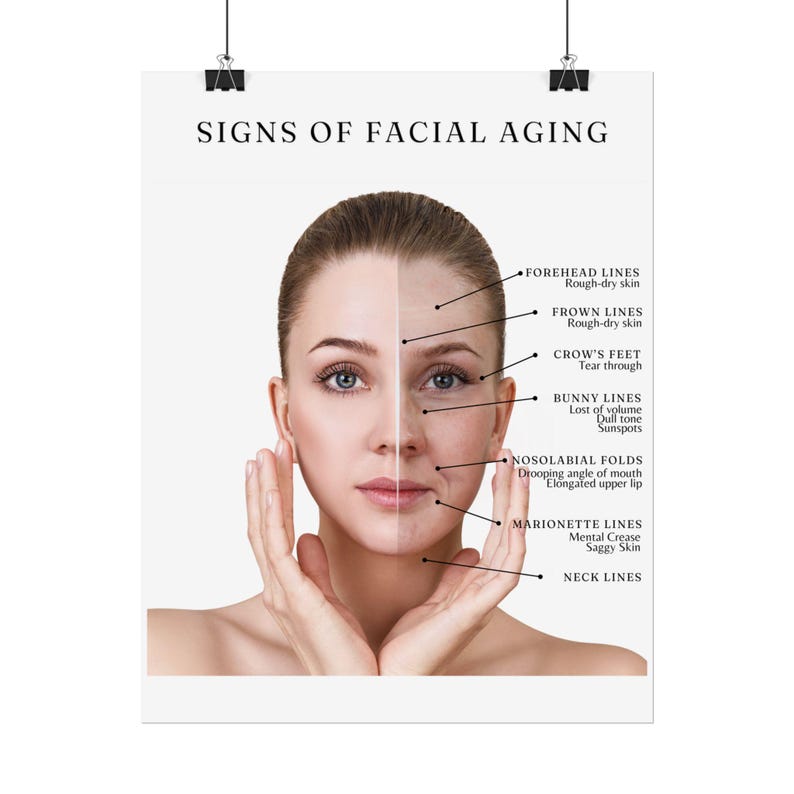
Every one of these aspects eventually result in a thinner dermis and architectural modifications that lead to skin looking old and weather-beaten. We are your trusted guide to holistic skin wellness and health, created to aid you look as young as you feel. In-office therapies can likewise enhance collagen-- however not by adding collagen straight. Rather, they work by creating controlled micro-injuries to the skin. Combined with SPF, anti-oxidants, and a healthy lifestyle, it is among the very best defenses versus premature aging. Free radicals from UV rays, contamination, and stress damage collagen at a cellular degree.